
# How to Prepare Your Vehicle for Shipping: A Complete Guide
Shipping a vehicle can make moving to another state, buying a car from a distant seller, or relocating for work more convenient. Before your vehicle is collected, taking time to prepare it properly can help make the transportation process smoother and reduce avoidable complications.
PurePath Vehicle Shipping offers vehicle shipping options for customers with different transportation needs. Whether you choose open car transport, enclosed car transport, or door-to-door auto transport, preparation is an important part of the process.
## 1. Clean Your Vehicle Before Shipping
Wash your vehicle before the scheduled pickup. A clean exterior makes it easier to identify existing scratches, dents, paint chips, and other visible damage.
You do not need to arrange an expensive detailing service. A normal wash is usually enough to make the vehicle’s condition easier to inspect.
Pay attention to the bumpers, doors, mirrors, wheels, and other areas where damage may be difficult to notice when the vehicle is dirty.
## 2. Take Photographs of Your Vehicle
Before handing over your vehicle, take clear photographs from multiple angles. Capture the front, rear, both sides, wheels, roof, and any existing scratches or dents.
These photographs provide a useful reference when comparing the vehicle’s condition at delivery.
During pickup, review the carrier’s inspection report or bill of lading and make sure any existing damage is documented accurately. Keep copies of your photographs and shipping documents.
## 3. Remove Personal Belongings
Remove personal items from the passenger compartment and trunk unless the carrier expressly permits specific items.
Personal belongings can create safety, weight, insurance, and regulatory concerns. Check under the seats, inside the glove compartment, in door pockets, and throughout the trunk.
Do not leave valuables, important documents, electronic devices, or loose objects inside the vehicle.
## 4. Check Fuel and Battery Levels
For a standard operable vehicle, a relatively low fuel level is usually appropriate because the vehicle may need to be driven during loading and unloading. Approximately a quarter tank is often sufficient, but follow your carrier’s instructions.
Check that the battery is charged and the vehicle starts normally. Inform the transport provider if the battery is weak or the vehicle has starting problems.
If your car is inoperable, disclose that information before booking because specialized loading equipment may be necessary.
## 5. Inspect for Leaks and Mechanical Issues
Check your vehicle for fluid leaks, loose exterior components, and obvious mechanical problems.
Tell the transport provider about any known issues that could affect loading, unloading, or safe transportation. Also disclose modifications such as oversized tires, lowered suspension, or unusually low ground clearance.
Accurate information helps the provider determine whether the planned equipment is appropriate.
## 6. Secure Loose Accessories
Remove or secure removable accessories such as bike racks, roof racks, detachable antennas, and loose exterior attachments when appropriate.
Fold in the side mirrors if they are designed to fold. Disable alarms that could activate during transport, and provide instructions for any unusual starting procedure.
Follow the carrier’s specific preparation instructions for your vehicle.
## 7. Choose the Right Transport Service
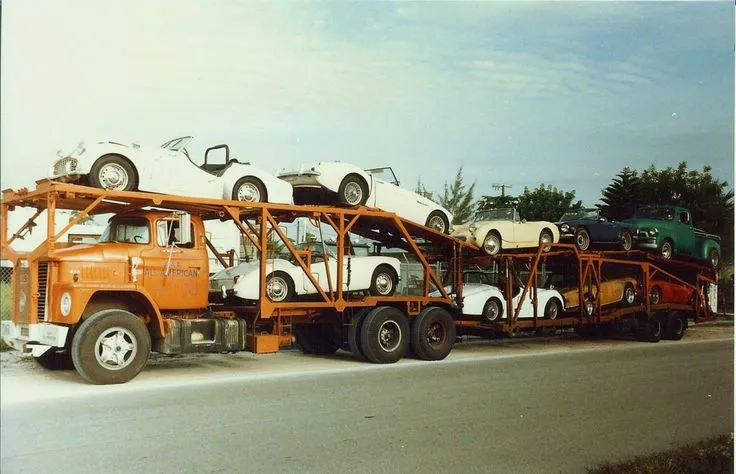
Open car transport is commonly used for everyday vehicles and is generally more economical than enclosed shipping. The vehicle remains exposed to outdoor conditions during transit.
Enclosed car transport uses a covered trailer and may be preferable for classic cars, exotic vehicles, luxury automobiles, and collector vehicles where reduced exposure to weather and road debris is important.
Door-to-door auto transport can provide pickup and delivery near your requested addresses when carrier access permits.
## 8. Confirm Pickup Details
Before pickup day, confirm the expected time window, pickup location, contact details, and any special instructions.
Make sure someone authorized is available to release the vehicle and complete the required paperwork. If the carrier cannot safely access your street, coordinate an accessible alternative location.
Review the inspection report carefully before signing.
## 9. Inspect Your Vehicle at Delivery
When the vehicle arrives, inspect it in good lighting whenever possible. Compare its condition with the original photographs and pickup report.
If you identify new damage, take photographs and record your concerns on the delivery documentation according to the carrier’s procedures. Contact the appropriate carrier or claims representative promptly.
Retain copies of the inspection reports and shipping agreement.
## Make Your Car Shipping Experience Easier
Preparing your vehicle in advance helps you understand its documented condition and makes pickup and delivery easier to coordinate.
PurePath Vehicle Shipping offers open car transport, enclosed car transport, door-to-door auto transport, and state-to-state shipping options.
Contact us at (469) 599-2142 or [info@purepathvehicleshipping.us](mailto:info@purepathvehicleshipping.us) to discuss your vehicle, destination, and preferred shipping dates.