
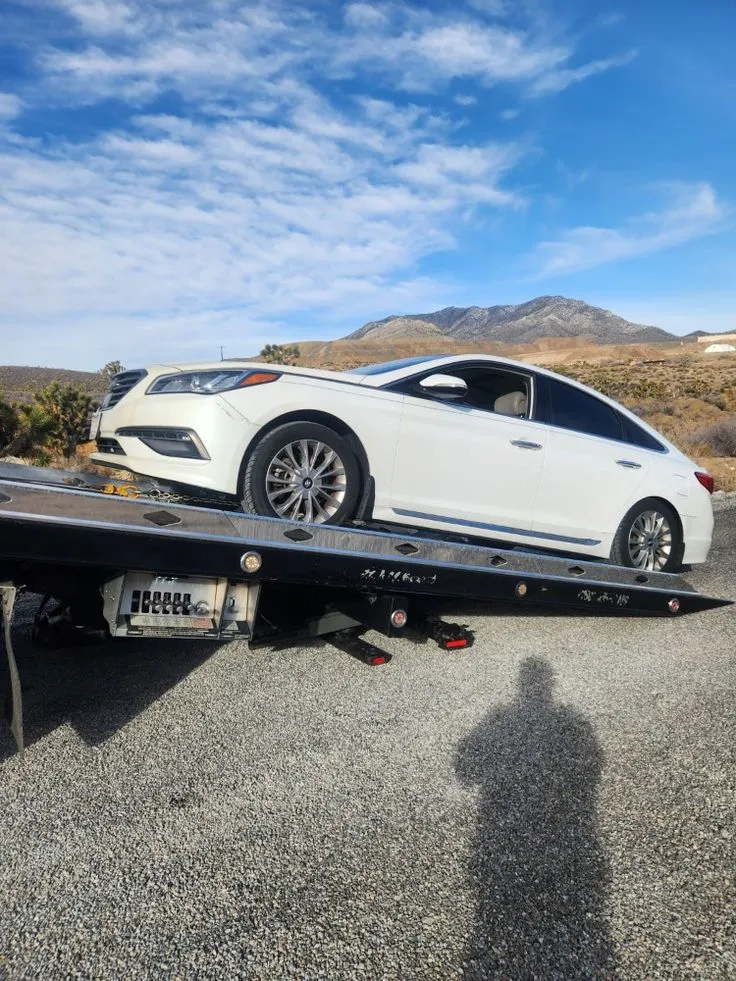
# How State-to-State Car Shipping Works in the United States
Moving a vehicle from one state to another can require significant time and planning. Whether you are relocating for work, purchasing a car online, moving your family, or sending a vehicle to a relative, driving the entire distance is not always the most convenient option.
State-to-state auto transport allows you to arrange professional vehicle transportation between locations without completing the entire journey yourself.
## What Is State-to-State Auto Transport?
State-to-state auto transport is the process of moving a vehicle between U.S. states using a vehicle transport carrier.
For example, a customer may need to ship a vehicle from Texas to Florida, California, Colorado, or another destination. The shipment generally involves requesting a quote, confirming the details, arranging pickup, transporting the vehicle, and completing delivery.
Depending on the vehicle and route, customers may choose open car transport or enclosed car transport. Door-to-door arrangements may also be available where the pickup and delivery locations are accessible.
## Step 1: Request a Quote
Start by providing the pickup location, destination, vehicle make and model, vehicle condition, and preferred shipping dates.
The provider may also need information about vehicle modifications, ground clearance, and whether the vehicle can start and move under its own power.
Accurate details help determine the appropriate equipment and estimate the transportation cost.
## Step 2: Choose Your Transport Method
Open car transport is a popular option for everyday vehicles and is generally more economical.
Enclosed car transport provides a covered trailer and may be appropriate for classic, luxury, exotic, or collectible vehicles.
You should also clarify whether pickup and delivery will take place near your requested addresses or at another agreed location.
## Step 3: Confirm Your Booking
Review the written quote and transportation agreement before committing.
Confirm the total price, expected pickup window, estimated transit time, payment terms, cancellation policy, and applicable insurance information.
If a broker arranges transportation with an independent motor carrier, clarify which company will physically transport the vehicle and which party is responsible for each aspect of the arrangement.
## Step 4: Prepare Your Vehicle
Clean the vehicle and take photographs of its condition. Remove personal belongings and secure loose accessories.
Check for fluid leaks and disclose mechanical problems, modifications, and low ground clearance. Follow the carrier’s instructions about fuel, keys, alarms, and vehicle readiness.
## Step 5: Arrange Pickup
Coordinate the pickup location and expected time window with the provider.
Make sure an authorized person can release the vehicle and complete the inspection paperwork. If the carrier cannot safely access the requested address, arrange a nearby accessible meeting point.
Review the inspection report before signing and retain a copy.
## Step 6: Understand Transit Time
Transit time depends on distance, route, weather, traffic, carrier scheduling, and pickup and delivery arrangements.
A shipment between nearby states may take less time than a cross-country shipment, but every route is different. Request an estimated delivery window and ask how schedule updates will be communicated.
Avoid making inflexible arrangements based on an unconfirmed arrival time.
## Step 7: Inspect the Vehicle at Delivery
When your vehicle arrives, inspect it carefully and compare its condition with the pickup report.
Take photographs of any concerns and document them according to the carrier’s delivery procedures. Notify the appropriate carrier or claims representative promptly if you identify possible new damage.
Keep copies of the shipping agreement and inspection records.
## What Affects State-to-State Shipping Costs?
Several factors can influence your quote:
* **Distance and route:** Different routes have different transportation costs and carrier demand.
* **Vehicle size:** Larger vehicles may require additional trailer space.
* **Transport method:** Enclosed transport generally costs more than open transport.
* **Vehicle condition:** Inoperable vehicles may require special loading equipment.
* **Timing:** Urgent pickup requests and seasonal demand can affect pricing and availability.
* **Accessibility:** Restricted or remote pickup and delivery locations may require additional coordination.
A shipment-specific quote is the best way to understand the expected price.
## Tips for a Smoother Interstate Shipment
Book ahead when possible, provide accurate vehicle details, and keep your contact information available during the transport period.
Read the shipping agreement carefully and confirm how delays, changes, and cancellations are handled. Before the carrier leaves with your vehicle, retain the inspection report and any relevant documentation.
At delivery, inspect the vehicle before completing the paperwork.
## Arrange State-to-State Shipping With PurePath
PurePath Vehicle Shipping offers state-to-state auto transport, open car transport, enclosed car transport, and door-to-door vehicle shipping options.
Whether you are moving from Texas or arranging delivery to another state, we can help you understand the available shipping arrangements.
Call (469) 599-2142 or email [info@purepathvehicleshipping.us](mailto:info@purepathvehicleshipping.us) to discuss your vehicle, route, and preferred shipping dates.